Articles
Do More with Less: AI Prompts to Support Your Private Practice
Save time without sacrificing quality. These 8 AI prompts help therapists in private practice draft notes, treatment plans, client communications, and more


If you're a clinician in private practice, time is your most limited resource. Between sessions, notes, treatment plans, client communications, and the ongoing demands of running a business, the administrative side of practice can quietly crowd out everything else, including the clinical work you find most meaningful.
That’s where AI can help. In my role as VP of Clinical at Alma, I spend a lot of time thinking about how to protect the core of clinical work. AI does not replace clinical judgment or therapeutic presence. Its value is in reducing the administrative load that can pull you away from that work. It can also serve as a useful brainstorming partner, helping you generate options and perspectives that might not emerge as quickly on your own.
To help you get more done with less friction, I’m sharing eight AI prompts that are focused, practical, and grounded in the realities of private practice. The goal: reclaim some of the time that administrative work takes away from your highest priorities.
A few guardrails to consider as you dive in:
- Before using AI for any task involving client information, ask yourself whether you'd be comfortable explaining that workflow to your client, your licensing board, or a payer. If the answer is uncertain, find a different approach.
- Unless an AI tool is HIPAA-compliant and designed for clinical use, treat it as public-facing. Assume it stores what you submit and may use it to train future models. This means client names, dates of birth, diagnoses, and any other identifying details should never be entered into a general AI tool.
- Every output AI produces is a rough draft, no matter how polished or well-researched it may seem. You are responsible for the accuracy, appropriateness, and clinical integrity of anything that goes into a client record or leaves your practice with your name on it.
1. Rethink your therapist profile
To clients, most therapist profiles look frustratingly similar. They typically consist of a long list of treated conditions that starts with anxiety and depression, an alphabet soup of credentials and preferred modalities, and a few reassuring sentences about providing nonjudgmental, compassionate care.
What clients need to move forward with confidence is a reason to believe that, of all the therapists listed in a directory, you understand exactly what they’re going through and know how to help.
While there are expert-created resources that explain how to optimize your profile, applying that guidance can take hours of drafting and revising. AI can streamline that process. Use a prompt like the one below to make your bio clear, concise, and compelling.
SUGGESTED PROMPT
Cut and paste into your favorite AI tool, then check for errors and refine.
I'm a licensed mental health clinician and I want help writing a profile for therapist directories and my website. Please ask me all of the questions below one at a time, and wait for my response before moving on to the next question. Once I've responded to all questions, use everything I've shared to write a single, polished, cohesive profile that will appeal to my ideal client and encourage them to reach out for a consultation
Questions to inform the draft:
- What are 3 to 5 words that a client might use to describe your therapy style?
- Picture your ideal client. What stage of life are they in? What challenges are they currently facing?
- What is it like to be in a session with you? What makes your style different from another clinician’s?
- What do clients often say they appreciate about working with you?
- What approaches or frameworks guide your work, and how do they show up in what you actually do with clients?
- If therapy is successful, what is different in your client’s life, behavior, or relationships? Be specific.
- What experience, training, or certifications are most relevant to the clients you want to attract?
- How long have you been doing this work? Has your approach changed over time? If so, how and why?
- Is there any lived or professional experience that meaningfully informs how you understand or work with your clients? (Only include what you are comfortable sharing publicly.)
- Do you accept insurance? If so, which plans? If not, what is your private-pay session fee?
- Do you offer a free consultation?
- What's the simplest way for someone to reach you?
When drafting the profile:
- Open with 1–2 sentences that reflect a moment the ideal client will immediately recognize, convey hope, and clearly signal my niche. Lead with their experience. Write it in a way that stops the scroll and makes them want to keep reading.
- Weave in personality, relevant lived experience, and therapeutic approach in plain, human language. Give the potential client clear reasons to believe I can help.
- Include fees and insurance information clearly and without jargon.
- Close with a warm, direct call to action that makes reaching out feel easy.
- Avoid phrases like “safe space,” “nonjudgmental,” “meet you where you are,” unless they are made specific and grounded in example.
- Write in a warm, conversational tone throughout — human and direct, not overly clinical or generic. Speak to one specific person, not a general audience.
- Aim for a profile that is concise enough to hold attention but complete enough to convert, roughly 350 to 450 words.
2. Respond quickly to new-client inquiries
Many therapists receive inquiries or consultation requests that never turn into first visits. Often, the issue is simply timing. When your schedule is full, it can be difficult to respond quickly and thoughtfully to every request.
AI can help you draft a timely response that includes the essential elements, so you can focus on making it personal.
Save a version of the following prompt with your standard details already filled in: consultation length, booking link, insurance or fee information, and sign-off. That way, each time a new inquiry comes in, you only need to add the client’s message and anything specific you want to address.
SUGGESTED PROMPT
Cut and paste into your favorite AI tool, then check for errors and refine.
I'm a licensed mental health clinician. A prospective client has reached out and I need to respond quickly and professionally, while remaining caring and personal. I'll provide everything you need below. Once I've shared it, draft a reply I can send with minimal editing.
Information for the response:
- The client's message: [paste it here]
- My current availability: [choose one or add more detail: I have openings and can see them soon; I have very limited openings at this time; I have a waitlist — expected wait is approximately {timeframe}; I'm full with no waitlist at this time]
- Next steps: [What should the client expect to happen after this message, regardless of your availability? For example: you'll reach out within the week with available times, they can book a consultation directly via your website, you're adding them to your waitlist and will follow up in approximately X weeks, or you're happy to refer them to a colleague if they need support sooner.]
- Anything specific to address: [Is there anything in their message you want to make sure the response acknowledges or speaks to directly?]
- Fee and insurance: [Optional, but include if relevant to their message or your practice — your session fee, whether you take insurance, and whether you offer superbills — so the response can address it if needed.]
- Sign-off: [First name only, full name, or name with credentials?]
When drafting the response:
- Open by acknowledging something specific from their message so the reply doesn't feel like a form letter.
- Be clear and direct about availability.
- If there's a wait, give them a reason to stay engaged — confirm you've received their inquiry and tell them exactly what to expect next.
- If you're full with no waitlist, respond with genuine care. If appropriate, offer to point them toward a colleague.
- If fee or insurance information is provided and relevant, weave it in naturally rather than dropping it as a separate line item.
- Close with a next step that is specific and easy to act on.
- Keep the whole thing warm and human. This is a message from a clinician who is genuinely glad they reached out.
- Match the length to the situation: brief and friendly for a straightforward scheduling request; a little warmer and more generous for someone who shared something personal or vulnerable.
3. Craft a private practice FAQ
Clients love the scannability of FAQs and they’re also a great way to surface practical information that would otherwise remain buried on website pages or within your intake materials.
Writing these pieces from scratch can feel daunting, but AI can spare you from starting with a blank page. Use the prompt below to build a draft, or upload your onboarding materials and policies and ask AI to turn them into a client-facing FAQ.
Beyond your website, consider adding your FAQ to your email footer and any directory profiles that allow longer text. The more often clients encounter these answers before their first session, the fewer questions you’ll need to field afterward.
SUGGESTED PROMPT
Cut and paste into your favorite AI tool, then check for errors and refine.
I'm a licensed mental health clinician and I want help creating a comprehensive yet concise FAQ for prospective clients that answers practical questions people have before starting therapy. Ask me the questions below one at a time, waiting for my answer before moving on. Once I've answered all of them in the most basic terms, write a single polished, client-ready FAQ that is warm, clear, and jargon-free.
Common client questions to ask me:
- How long is a typical session?
- How frequently do you typically meet with new clients?
- Do you offer in-person sessions, virtual, or both? If in-person, where are you located?
- Do you accept insurance? If so, which plans?
- What’s your private-pay fee for those without insurance?
- Do you offer a sliding scale? If so, how do I qualify?
- Can you provide a superbill to help me apply for out-of-network reimbursement?
- What is your cancellation policy? How much notice do you require to avoid a cancellation fee and how must cancellations be communicated (phone, email, text?)
- Is there anything I should do to prepare for my first session?
- How do you communicate with clients between sessions? What's your response time?
- What should I do if I experience a mental health crisis?
- How do you protect my confidentiality?
- What does progress look like?
- How will I know when it’s time to end therapy?
- Do you offer additional services — groups, workshops, intensives?
When drafting the FAQ:
- Format each item as a natural client-facing question followed by a concise, conversational answer.
- Write as though speaking directly to one person; use "you" language throughout.
- Keep answers brief but complete, enough to inform without overwhelming.
- Avoid clinical or insurance jargon; where technical terms are unavoidable, explain them in plain terms.
- The overall tone should feel warm and reassuring, like getting a straight answer from a caring authority figure who genuinely wants to make this easy for you.
4. Curate client-specific resource lists
AI can help you quickly locate high-quality materials that reinforce the work happening in therapy. Resources like journaling prompts, behavioral activation ideas, or coping strategies tailored to a client’s goals can help clients stay connected to the process between sessions.
You can use AI to generate original resources for your practice and clients, but this is often a time-consuming, multistep process and requires tools to check for plagiarism. A more efficient approach is to use AI to identify high-quality existing resources.
Each time AI surfaces a resource you review and trust, add it to a running document organized by diagnosis or concern. Over time, you can paste that list directly into this prompt and ask AI to match resources from your collection to a specific client, combining the speed of AI with the quality control of your clinical judgment.
SUGGESTED PROMPT
Cut and paste into your favorite AI tool, then check for errors and refine.
I'm a licensed mental health clinician looking for resources to share with a client. Please search only trusted, authoritative sources, for example, national mental health organizations, established professional associations, or highly trained and well-respected clinicians who specialize in this subject area. Do not suggest company blogs, wellness apps, or general interest websites unless I specifically ask for them.
About my client:
- Age and life stage: [e.g., 34-year-old new mother / 16-year-old high school student / 68-year-old recent retiree]
- Primary challenge or diagnosis: [e.g., postpartum anxiety / ADHD / complicated grief / OCD]
- Secondary concerns, if any: [e.g., relationship conflict, sleep issues, difficulty at work]
- What they're working toward: [e.g., managing intrusive thoughts, improving communication with their partner, returning to work after burnout]
- Where they are in treatment: [e.g., just starting out and needs psychoeducation / mid-treatment and ready for between-session tools / wrapping up and building a maintenance plan]
Format preferences:
- Type of resource: [choose any that apply: articles or guides to read, videos to watch, workbooks or worksheets, podcasts to listen to, books to read, support groups or communities, crisis or emergency resources]
- How the client prefers to learn: [e.g., likes to read and research / prefers audio / responds well to structured exercises / easily overwhelmed by too much information]
- Any access considerations: [e.g., needs free resources only / Spanish-language materials / low-literacy friendly / limited internet access]
Additional context:
- Also take into consideration: [e.g., client is skeptical of mental health messaging and needs resources that feel grounded and evidence-based / client has had bad experiences with resources that feel preachy or oversimplified / client responds well to humor and lightness]
When compiling the resources:
- Lead with the two or three resources that are likely to be most useful for this specific client, not the most well-known or most general.
- For each resource, include: what it is, who produced it, why it's credible, and one sentence on why it's a good fit for this particular client.
- Flag anything that is behind a paywall or requires a subscription so I can plan accordingly.
- If there are meaningful gaps, i.e. topics where authoritative resources are limited or hard to find, tell me, rather than filling the gap with lower-quality sources.
- Keep the list focused. Five to eight well-chosen resources are more useful than a comprehensive list.
5. Highlight client progress
As a client’s thoughts and behaviors shift over time, pointing to specific areas of improvement can help reinforce their progress and support continued momentum. But articulating those moments clearly can be difficult. With a carefully crafted prompt like the one below, AI can help you identify patterns of positive change and growth.
Careful review of AI output is essential, as it may include hallucinations or draw connections that are not actually supported by the record. Focusing your prompt on one area of progress and asking AI to provide verbatim evidence from your notes can help reduce this risk, though you will still need to verify every detail.
When using this prompt, keep your de-identified, dated session notes in a searchable document. When AI cites a quote, you can locate it quickly, confirm that it came from the stated session date, and check that the surrounding context actually supports the progress being described.
SUGGESTED PROMPT
Cut and paste into your favorite AI tool, then check for errors and refine.
I'm a licensed mental health clinician and I want you to help collect verifiable evidence that my client has made progress in the specific area that I identify below. This evidence must be in the form of verbatim excerpts from the notes I am providing here.
[Upload notes from the sessions you want reviewed, with all identifying information removed. A defined window of 8 to 12 sessions works best.]
Area of progress to focus on: [Pick one: Reduction in a specific symptom / Changed behavior or thinking patterns / Increased emotional range / Other — be specific]
When evaluating progress:
- Read all session notes before identifying anything. Progress only becomes visible when you can see where someone started — early notes are as important as recent ones.
- Every observation must be anchored to a specific session date and a direct quote from the notes. No exceptions.
- Where progress is most visible as a contrast between two sessions — something the client said or did early on compared to later — cite both moments with their respective dates and quotes.
- If the notes do not contain clear evidence of progress in the area specified, say so directly rather than reaching for observations the notes don't support.
- Clinical language is appropriate, as this is for the clinician's review, not the client.
6. Brainstorm treatment plans
A strong treatment plan not only gives both you and your client a shared roadmap for the work ahead, it’s a document that demonstrates medical necessity to a health plan and helps protect you in the event of an audit. The challenge is writing a truly comprehensive plan when your time is limited.
At Alma, we provide our members with built-in access to Wiley Treatment Planners, which include a library of research-based goals, objectives, and interventions. This makes it easy to create compliant treatment plans that meet client needs. If you don’t have access to Wilely Treatment Planners, AI can help you draft a structured, insurance-compliant treatment plan from your intake notes.
It bears repeating: If you’re using an AI tool that is not HIPAA compliant and made for clinical use, remove any and all client-identifying information.
Once you've refined the output to get exactly the result you wanted, paste the final version back into AI and ask: “Based on this output, rewrite the original prompt so it would produce a result like this more reliably next time."
SUGGESTED PROMPT
Cut and paste into your favorite AI tool, then check for errors and refine.
I'm a licensed mental health clinician and I want help drafting an insurance-compliant treatment plan based on the de-identified intake information I’ve provided below.
My intake notes: [paste de-identified notes here]
My theoretical orientation: [e.g., CBT / DBT / EMDR / psychodynamic]
Session format and frequency: [e.g., individual therapy, 45 minutes, weekly]
Please draft a treatment plan that includes the following 6 elements:
1. Diagnosis - Include the DSM-5 diagnosis supported by the intake information.
2. Symptom summary - A 2-3 sentence summary of the client's presenting symptoms and how they are impairing functioning at work, in relationships, with health or sleep, or financially.
3. Treatment goals (minimum 2) - Write symptom-focused, medically necessary goals that are tied directly to the diagnosis and focused on reducing symptoms and impairment. If the client has multiple diagnoses, address each in a separate goal.
4. Objectives (1-2 per goal) - For each goal, write 1-2 measurable objectives that define how progress will be assessed.
5. Time frame Propose a realistic time frame for the overall treatment and for each goal.
6. Planned interventions Describe what the clinician will do to help the client achieve their goals. Include session modality and frequency, primary treatment approaches, and 3-5 specific in-session methods or techniques to be used.
When drafting the treatment plan:
- Base every element of this draft only on what is explicitly stated in the intake notes — do not infer diagnoses, symptoms, or history that are not documented.
- Flag any component where the intake information is insufficient to write a confident entry rather than filling the gap with assumptions.
- Use clinical language throughout.
7. Draft compliant progress notes
Progress notes are one of the most time-consuming parts of running a private practice, and one of the easiest places to fall behind. Many tools now exist to help therapists draft compliant notes. For example, Alma offers Note Assist, a secure AI note-taking tool that is HIPAA-compliant and created for clinical use. Note Assist is integrated into the Alma platform and includes special features that support compliant coding and billing.
Using a general AI tool to draft notes requires several more steps, and client names, dates of birth, and other identifying details must be excluded. One common workflow involves recording post-session summaries, importing the transcription into AI, and using a prompt like the one below to turn the summary into a structured draft note. The clinician then reviews, edits, and finalizes the note.
The quality of your draft depends almost entirely on how much useful detail you provide. A three-sentence summary will produce a thin note. A comprehensive, nuanced summary that captures what the client said, how they presented, what you tried, and how they responded will produce something much closer to a finished document.
SUGGESTED PROMPT
Cut and paste into your favorite AI tool, then check for errors and refine.
I'm a licensed mental health clinician and I need help drafting a progress note based on the session summary below. All identifying information has been removed. Use my summary to generate a structured draft note in the indicated format that I can review, edit, and finalize.
My post-session summary: [paste your brief notes here — bullet points or fragments are fine]
Note format: [choose one: SOAP / DAP / BIRP / narrative / other — specify if other]
Session type: [e.g., individual therapy, couples session, intake, crisis check-in]
Draft a progress note that includes the following 5 elements:
- A brief, clinically appropriate description of the session's focus and content
- Client presentation and observable functioning during the session
- Interventions used and the client's response
- Progress toward treatment goals, where relevant
- Plan for the next session or any follow-up required
When drafting a progress note:
- Use only what is explicitly stated in my summary. Do not infer clinical details, add diagnoses, or introduce information that is not present in my notes.
- Write in the third person using neutral, professional clinical language — no diagnostic speculation, no interpretive language that isn't documented.
- Flag any section where my summary doesn't provide enough information to write a complete entry rather than filling the gap with assumptions.
- This is a draft only. I will review and take full responsibility for the final version before it becomes part of any clinical record.
8. Support termination planning
Endings matter. A well-handled termination consolidates the work, reduces the risk of relapse, and leaves the door open for a client to return if they need support again. Done poorly, it may undermine the progress that came before it.
AI can help you set your client up for long-term success. Like all prompts presented here, this one is just an example of how you can use the information you’ve collected so far to create AI generated ideas that you can take or leave. Clinical judgment, not AI output, determines what is appropriate for each client.
The most effective termination plan is one your client helps shape. Using the AI-generated plan as a starting point, consider reviewing early warning signs together, adjusting coping strategies to reflect what actually worked, and inviting the client to weigh in on what a booster session should look like.
SUGGESTED PROMPT
Cut and paste into your favorite AI tool, then check for errors and refine.
I'm a licensed mental health clinician preparing to end treatment with a client and I want to make sure the termination process is handled thoughtfully. I'll share de-identified information about this client below. Once I've provided it, help me create a personalized termination plan I can use to guide our final sessions.
About this client:
- Presenting concerns and diagnoses at intake: [e.g., generalized anxiety disorder, difficulty with work-life boundaries, chronic sleep disruption]
- Primary goals we worked toward: [e.g., reduce anxious rumination, build a sustainable daily routine, improve sleep]
- Most meaningful progress made: [e.g., client now sleeps 7 hours consistently, returned to regular exercise, reports significantly less daily anxiety]
- Therapeutic approaches and tools used: [e.g., ACT, sleep hygiene protocol, values clarification exercises]
- Known vulnerabilities or triggers likely to challenge this client after treatment ends: [e.g., high-pressure periods at work, social conflict, disrupted routine]
- Client's support system: [e.g., strong relationship with partner, limited peer support, no prior experience with self-directed mental health maintenance]
- Any concerns about termination: [e.g., client tends to minimize setbacks, has expressed anxiety about ending sessions, previously terminated abruptly with another clinician]
- Anticipated final session date or timeframe: [e.g., 3 sessions remaining / ending in 6 weeks]
Create a termination plan that includes the following 3 elements:
1. A session-by-session outline for remaining sessions: Suggest a realistic focus for each remaining session that moves the client toward a confident, prepared ending rather than an abrupt one. For example: consolidating gains in the second-to-last session, reviewing the full arc of treatment in the final session.
2. A personalized relapse prevention plan: Based on the client's known vulnerabilities and triggers, outline a practical plan they can refer to after treatment ends. Include:
- The early warning signs most likely to signal this client is struggling
- Specific coping strategies and tools from treatment that have worked for them
- A clear action plan for what to do if symptoms return, including at what point they should consider reaching out for support again
3. A booster session framework: Recommend a simple framework the clinician can offer the client for returning if needed, including suggested timing for a check-in, what a booster session might focus on, and language the clinician can use to make returning feel like a sign of self-awareness rather than a setback.
When drafting the plan:
- Base all recommendations on what is explicitly documented in the client information provided. Do not invent history, progress, or clinical details.
- Flag any section where the information provided is insufficient to generate a specific, useful recommendation.
Tips for crafting your own prompts
As you’ll quickly learn from experimenting with the examples above, the most effective prompts are highly specific and detailed — and almost always require multiple refinements to get the best results. As you draft and test prompts to support your practice, save each successful iteration so you can refer back to it as needed.
To maintain consistency across everything you create, consider putting together a collection of foundational documents that will inform AI output.
This may include any or all of the following:
- Values statement
- One-page description of your practice
- Personal essay introducing yourself to new clients
- Voice and tone guidelines
- List of preferred sources for key topics
Yes, you can use AI to help create each one.
I’ve found that the clinicians who are getting the most value from AI are approaching it with enthusiastic curiosity, plenty of healthy skepticism, and a high tolerance for trial and error. They’re also looking to trusted organizations like the American Psychological Association for continually updated guidance on using AI ethically and securely.
For more tips from Alma on using AI, consider downloading A Therapist’s Guide to AI: Ethics, Use Cases, and Simple How-Tos.
Take action:
Grow your business, not your workload
An Alma membership is an all-in-one system for caseload growth, patient care, and professional development. Reclaim more time for clients—and for yourself.

Written by
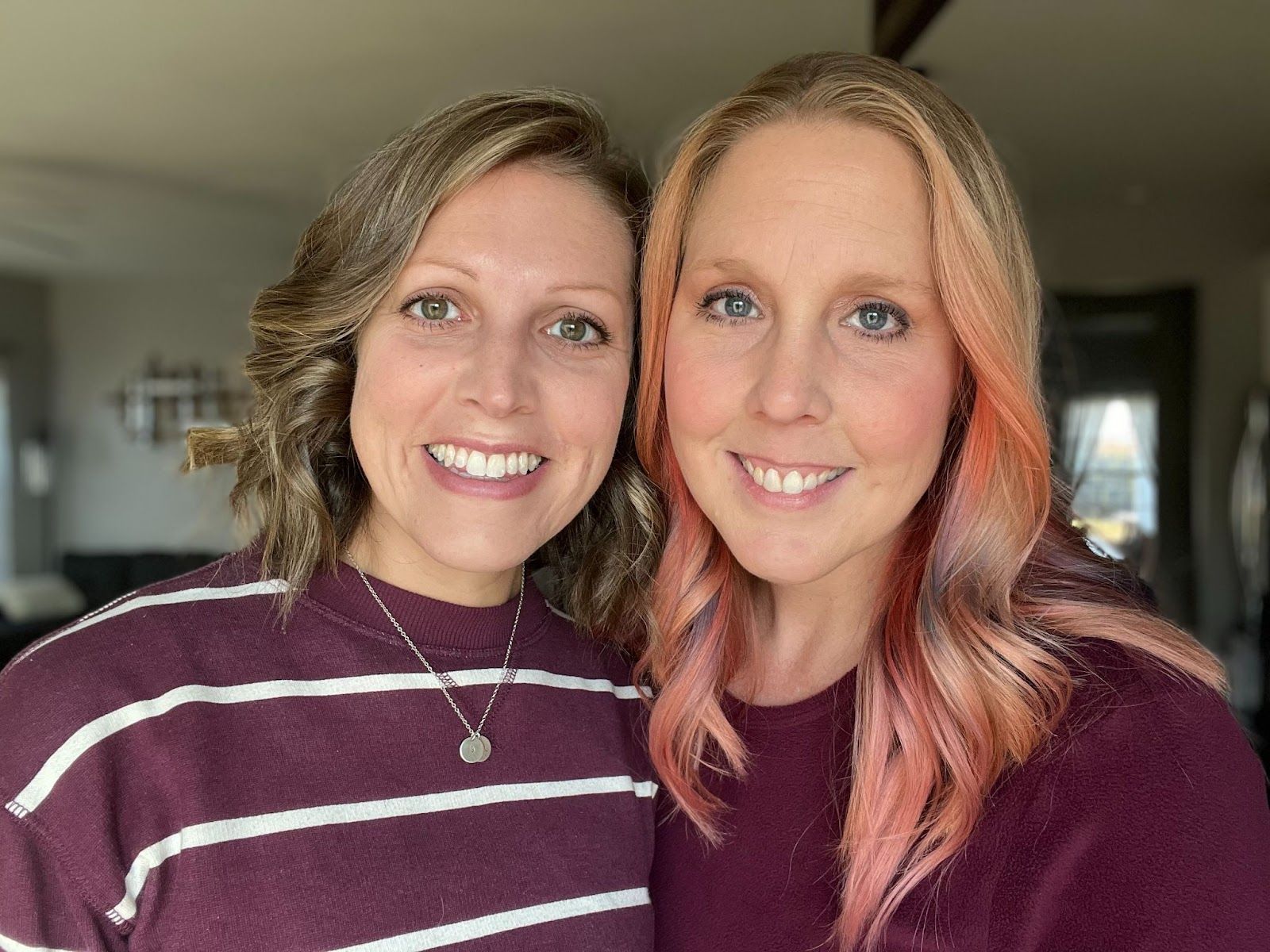
Drs. Jill Krahwinkel-Bower and Jamie Bower




Learn More
Build a thriving private practice with Alma
We believe that when clinicians have the support they need, mental health care gets better for everyone.