Why do I feel anxious after drinking?
If you wake up after a night out with a pounding heart, a sense of dread, and a list of things you might have said, you’re not imagining it. Some people call it hangxiety. Here’s what might be going on, and what can help.

The short answer
Anxiety after drinking is worry, dread, or physical jitters that show up as alcohol wears off, often the next morning. It can come from the way alcohol affects your body and sleep, dehydration and low blood sugar, and worry about what happened while you were drinking. It’s worth talking to someone if it happens often, if you drink to calm anxiety, or if drinking feels hard to cut back on.

What anxiety after drinking can feel like
It often hits the next morning: a racing heart, shaky hands, and a feeling that something is wrong, even if you can’t say what. Your mind might replay the night, checking messages and wondering whether you said something embarrassing.
It can feel like your body and mind are punishing you, but it’s a physical and emotional response to alcohol wearing off, not a judgment on who you are.
Possible causes of anxiety after drinking

Alcohol wearing off
As it leaves your system, your body can swing into a more alert, on-edge state.

Broken sleep
Alcohol can disrupt sleep, leaving you tired and less able to handle worry.

Dehydration and low blood sugar
Both can add to shakiness, a racing heart, and feeling unwell.

Regret and guilt
Not remembering clearly, or regretting something, can feed worry and dread.

An anxiety condition
If you already live with anxiety, alcohol can quiet it for a while and leave it louder after.
What can help
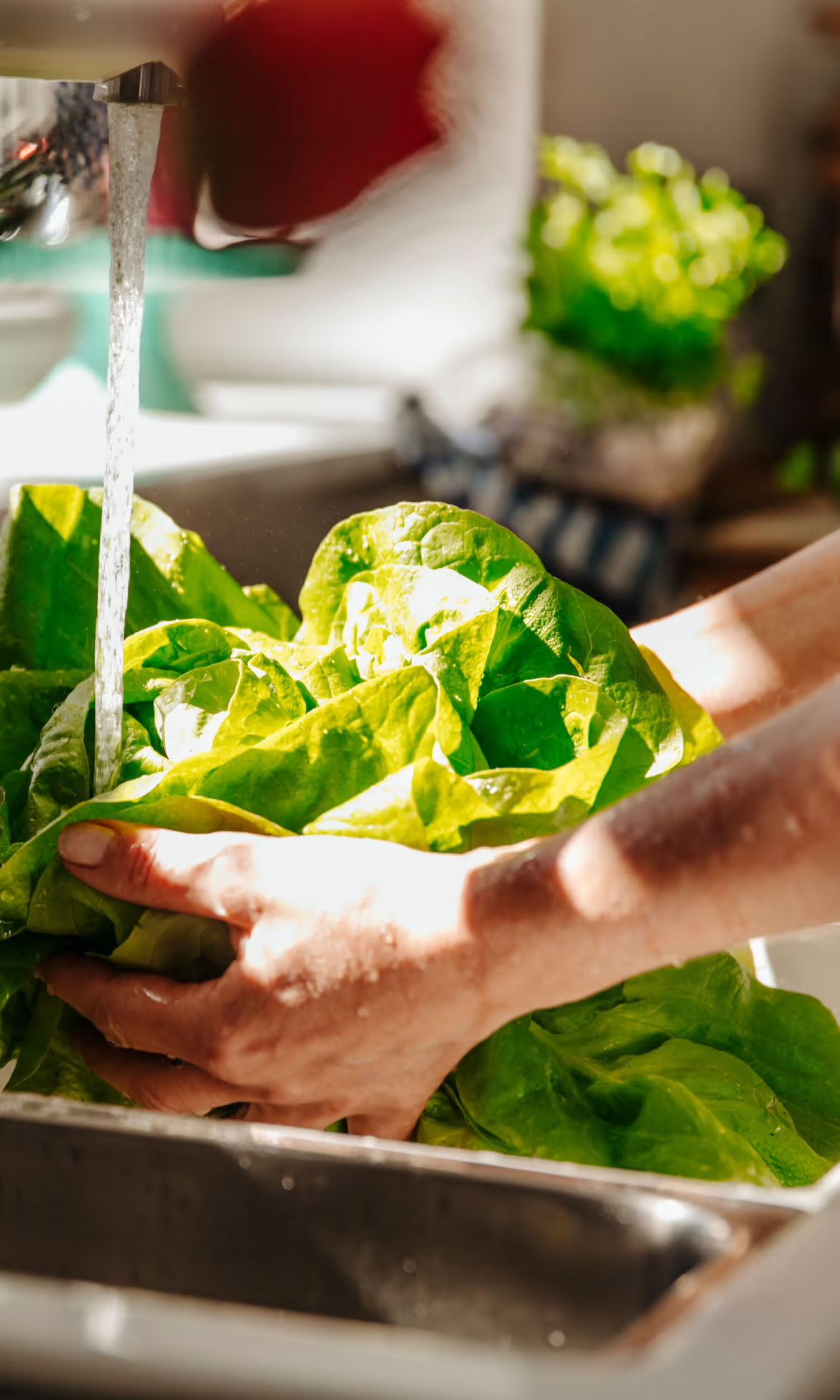 Eat, drink water, and restLooking after your body can take some of the edge off physical symptoms.
 Go easy on the replayChecking messages over and over can feed the worry more than it settles it.
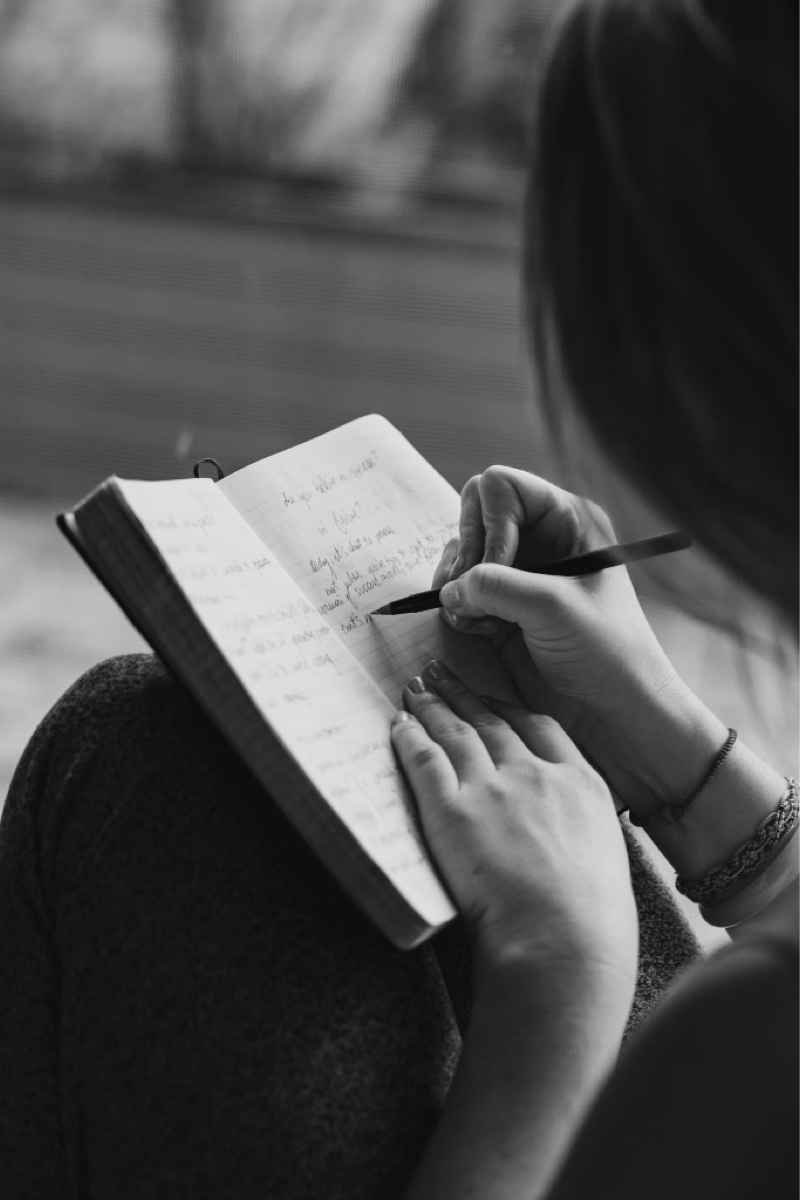 Notice the patternKeeping track of how much you drink and how you feel after can show you what’s connected.
 Talk to a professionalA doctor or therapist can help if anxiety and drinking feel tied together.
What it might be connected to
Anxiety after drinking can overlap with a few things worth understanding: a starting point, not a diagnosis.

When it’s worth talking to someone
An anxious morning after a big night is something many people recognize. It’s worth talking to someone if anxiety after drinking happens often, if you find yourself drinking to calm anxiety, or if cutting back feels harder than you expected. A therapist can help with the anxiety, and a doctor can help with the drinking side if you need it.
How therapy helps with anxiety after drinking
A therapist can help you look at how anxiety and drinking connect for you, whether that’s drinking to feel calmer, worrying about what happened, or both, and find other ways to manage the anxiety. If drinking itself feels hard to control, therapists who help with substance use can support that too. On Alma, you can find therapists who treat anxiety and take your insurance.
How Alma works
Search with your insurance
Filter by what you’re feeling, your coverage, and what matters to you.
Message therapists directly
Reach out to anyone who looks like a fit, with no waitlist middleman.
Book a first session
Meet in person or online.




We're here to help
Frequently asked questions
As alcohol wears off, your body can swing into a more alert, on-edge state, and broken sleep, dehydration, and low blood sugar can add to it. On top of that, not remembering the night clearly or regretting something can feed guilt and worry. If it happens often, it’s worth noticing the pattern and talking it through with a therapist or doctor.