
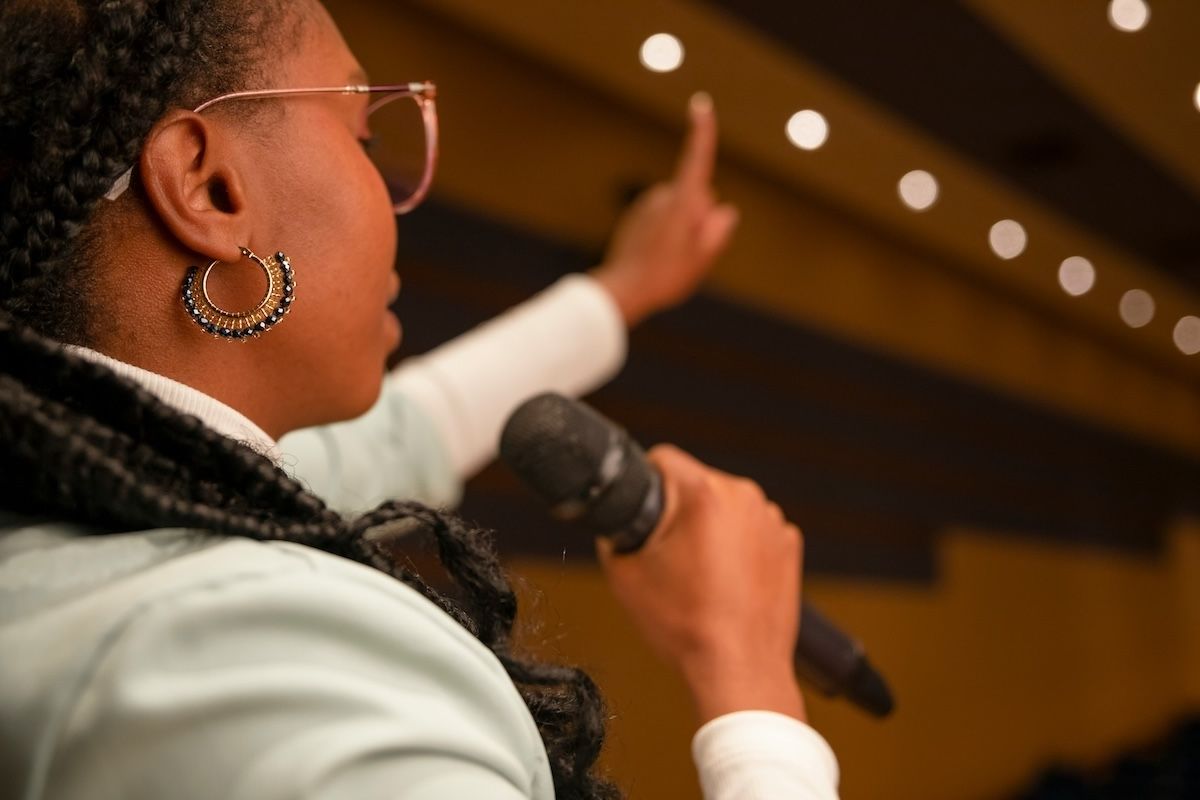
12 Black Women Therapists Who Made History
These pioneering Black female therapists helped shape the way therapy is practiced today while working against deep structural barriers in the field.
More Black women therapists have contributed to the field of mental health than we can celebrate in one article. But these twelve academics, clinicians, activists, and authors stand out for having shaped modern therapy’s approach to culturally responsive practice.
Each had the conviction and courage required to challenge entire systems, dismantle harmful assumptions, and create new pathways for healing that centered Black communities' lived experiences.
The Early Pioneers: Breaking Barriers in Psychology
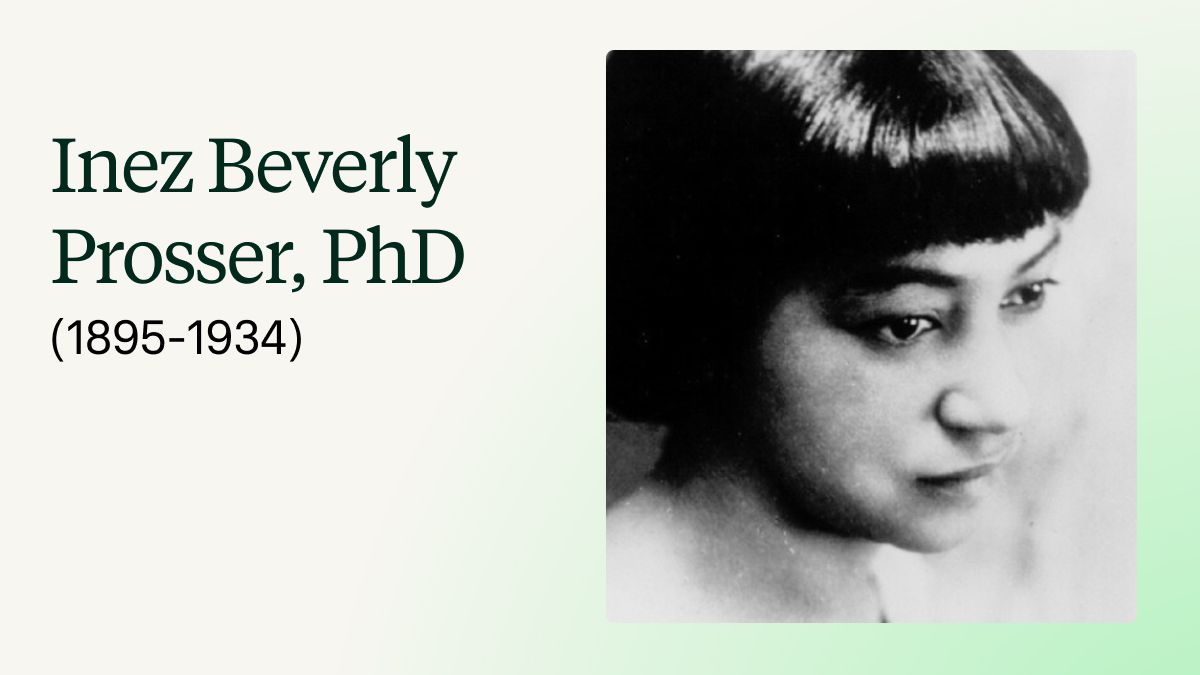
Inez Beverly Prosser, PhD, broke significant barriers as the first Black woman to earn a psychology doctorate in the United States in 1933 from the University of Cincinnati. Her dissertation challenged prevailing assumptions, revealing that Black children in segregated schools actually showed better emotional adjustment than those in integrated settings, partially because segregated environments offered protection from overt racism and hostility. This was clinically important information that complicated the desegregation conversation.
Her work highlighted how environmental factors, not inherent deficits, shaped Black children's psychological wellbeing, an insight that remains essential to clinical practice today.
Dr. Prosser's findings taught us that mental health outcomes depend heavily on environmental safety and belonging, not just integration itself. A lesson that reminds us to assess the quality of a client's environment, not merely its diversity.
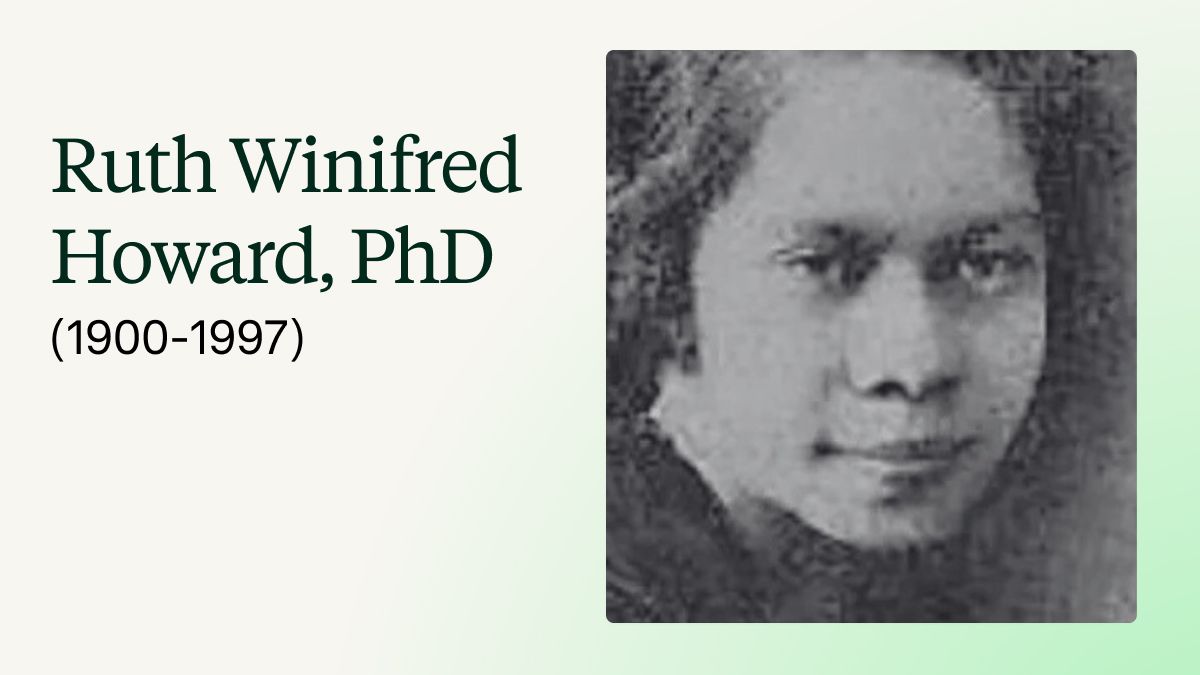
Rough Winifred Howard, PhD, became the second Black woman to earn her doctorate in psychology (University of Minnesota, 1934). Her work focused on triplets' development and child psychology. She spent decades as a school psychologist in Ohio, directly applying psychological principles to improve children's lives.
Dr. Howard understood that assessment required understanding the whole child within their cultural context. She advocated for individualized approaches rather than one-size-fits-all interventions which, at the time, was revolutionary.
Dr. Howard's emphasis on culturally informed assessment transformed how we evaluate children from diverse backgrounds, proving that accurate diagnosis requires understanding a child's environment, not just their test scores.
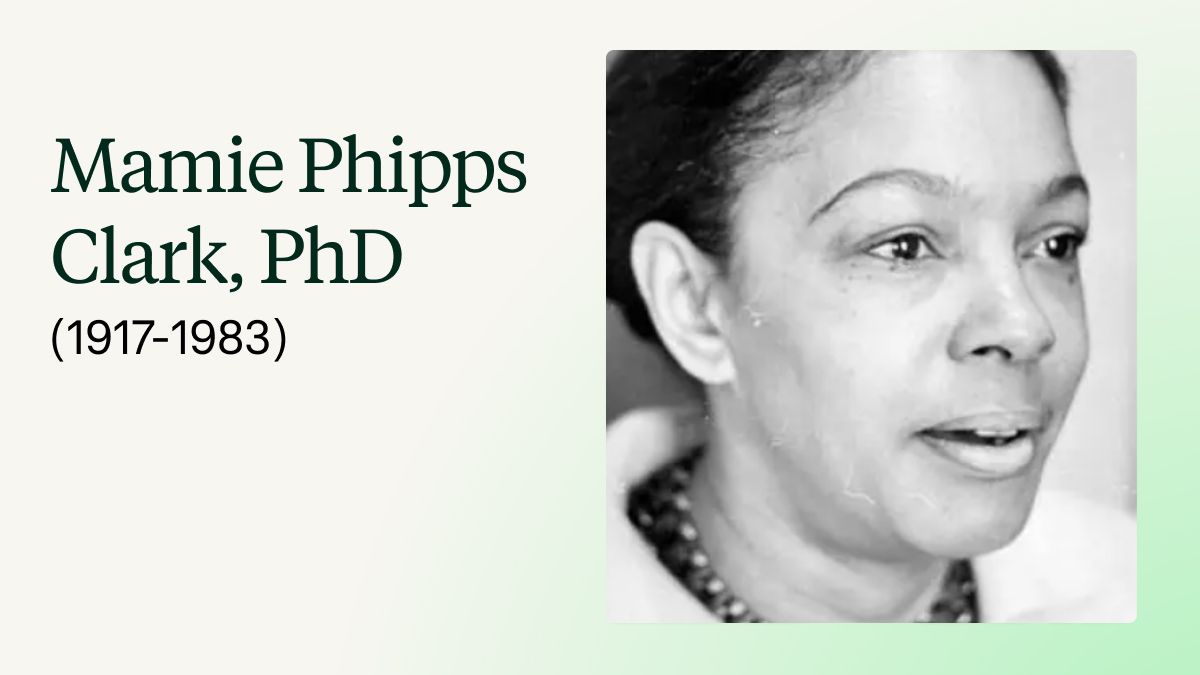
Mamie Phipps Clark, PhD, was a groundbreaking social psychologist who fundamentally transformed how we understand racial identity development in children. Her famous “doll studies” in the 1940s, conducted with her husband Kenneth Clark, revealed that segregation created deep psychological harm. Black children consistently chose white dolls as “nice” and rejected Black dolls, highlighting internalized racism's devastating impact.
This research became pivotal evidence in Brown v. Board of Education (1954), dismantling school segregation. She earned her Ph.D. from Columbia in 1943, which was still rare for Black women even a decade later. Dr. Clark then co-founded the Northside Center for Child Development in Harlem, where she spent decades improving mental health services for minority children.
Her doll studies fundamentally proved that racism isn't just a social issue, it's a mental health crisis that damages children's self-concept and identity from early childhood, which clinically validates why culturally responsive therapy remains essential today.
The Social Work Trailblazers: Advocacy Meets Practice
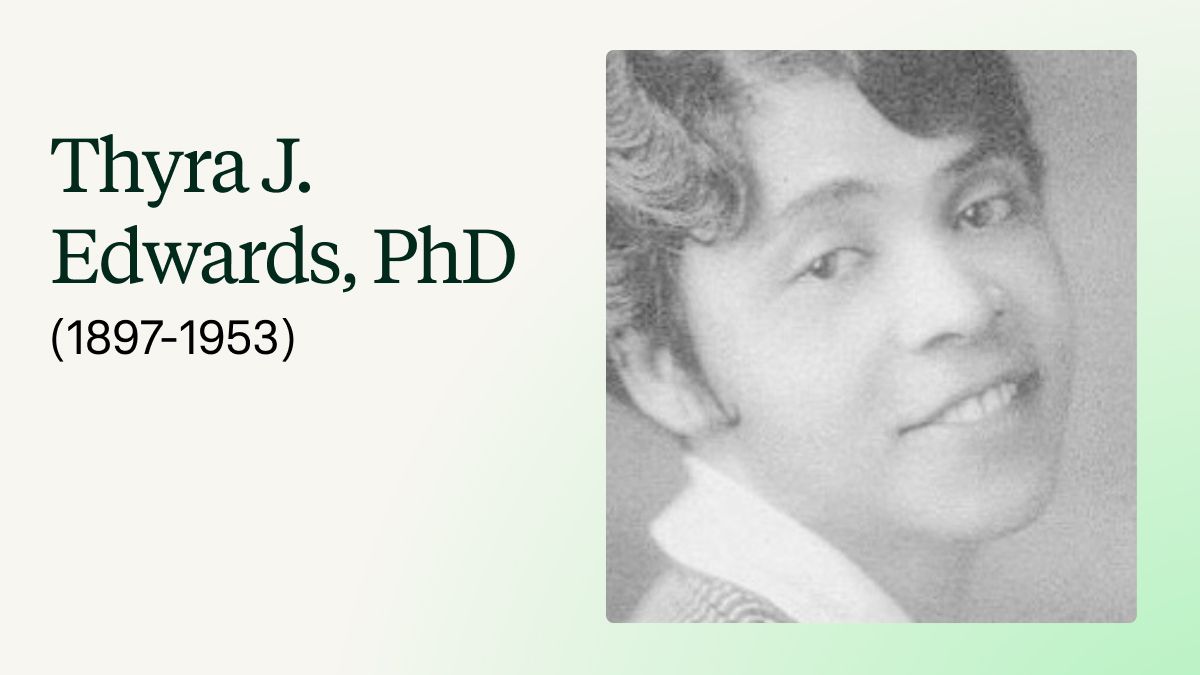
Thyra J. Edwards, PhD, a granddaughter of runaway slaves, began as a school teacher in Houston, Texas, before shifting to social work in Chicago. Her career focused on child welfare, ultimately leading her to found her own children's home.
Edwards believed social work should advocate for disadvantaged and at-risk populations, focus on issues affecting women's wellbeing, and demonstrate ability to work with diverse populations. By 1944, she was heralded as “one of the most outstanding Negro women in the world.”
Challenging prevailing beliefs that Black social workers should only serve Black clients, Edwards worked with all races and nationalities.
In 1953, she organized the first Jewish child care program in Rome for Holocaust survivors. Edwards' international, cross-cultural advocacy proved that effective social work transcends racial and national boundaries. Her work established that trauma-informed care requires cultural humility and universal compassion, fundamentally expanding how we conceptualize culturally competent practice beyond our own communities.
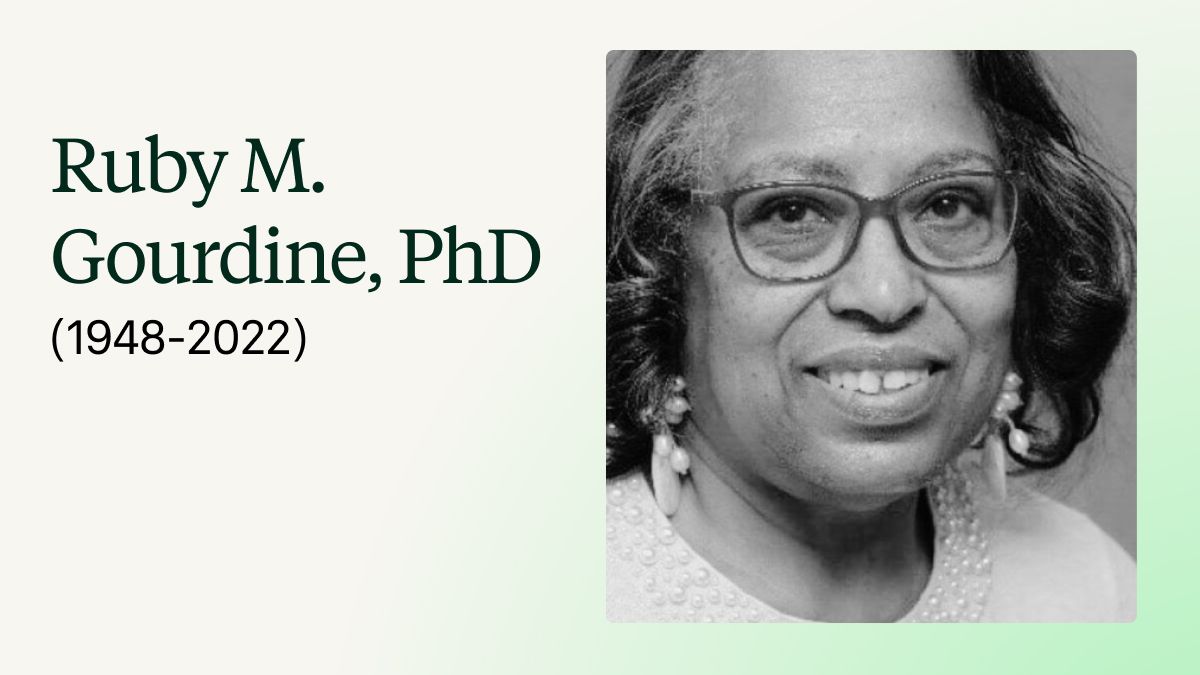
Ruby M. Gourdine, PhD, was a longtime professor at Howard University who began her career as a probation officer in the Juvenile and Domestic Relations Court of Richmond, Virginia. It was there that she became interested in issues of race and child welfare.
Throughout her career, she worked as a clinician, administrator, consultant, and researcher in juvenile justice, foster care and adoption, medical social work, school social work, and social work history. The National Association of Social Work (NASW) honored her as a social work pioneer in 2010 and named her social worker of the year in 2000.
Dr. Gourdine's advocacy for children with disabilities led her to become State Supervisor for Social Work Services in the D.C. public school system. With a focus on juvenile justice and child welfare systems, she highlighted how institutional involvement profoundly affects children's mental health.
Her advocacy proved that effective intervention requires clinicians to understand and address systemic failures, not just individual pathology.
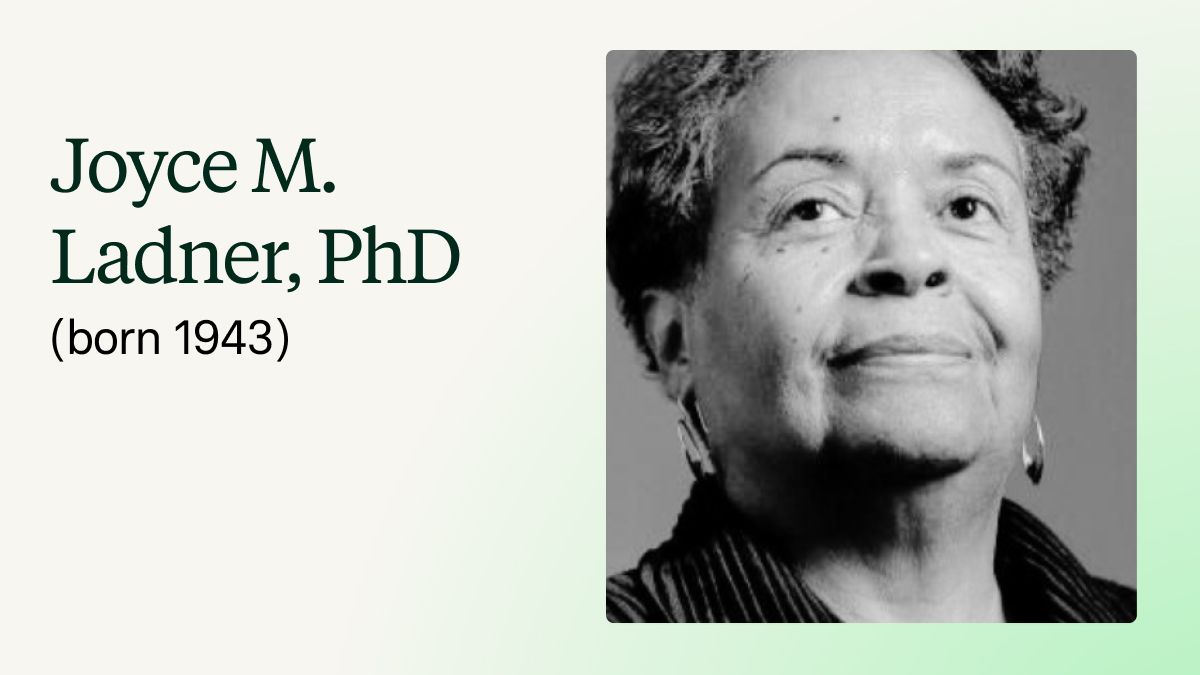
Joyce Ladner, PhD, is a sociologist and social worker whose groundbreaking book Tomorrow's Tomorrow: The Black Woman (1971) challenged deficit-based research on Black adolescent girls.
Instead of focusing on pathology, Dr. Ladner explored strength, resilience, and identity formation within their actual communities. She interviewed low-income Black girls in St. Louis, revealing how they navigated racism, sexism, and poverty while developing positive self-concepts.
Ladner's work fundamentally rejected the idea that Black families were “broken,” instead highlighting adaptive strategies and cultural strengths.
Dr. Ladner's strength-based approach transformed social work practice by proving that effective intervention starts with recognizing resilience, not just problems, which enables clinicians to build on existing assets rather than imposing external “fixes.”
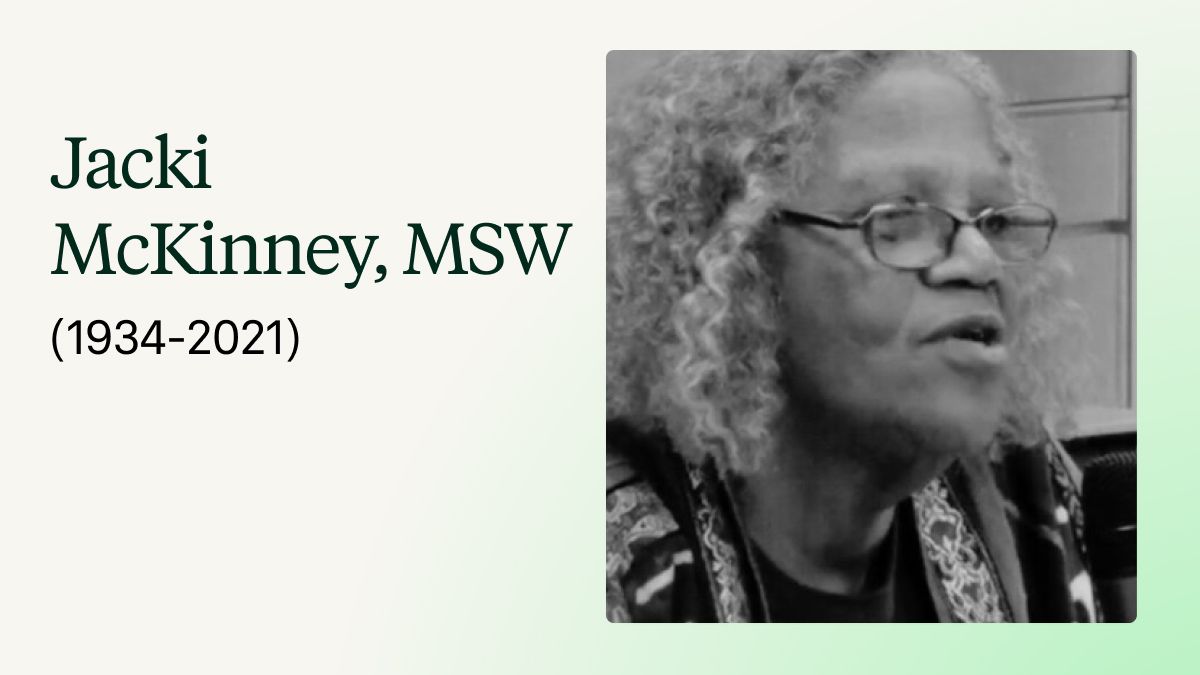
Jacki McKinney, MSW, became a trauma expert through lived experience. She was a survivor of trauma, addiction, homelessness, and the psychiatric and criminal justice systems. She experienced firsthand how lack of cultural competency failed Black women seeking care. This galvanized her advocacy.
McKinney became director of the Consumer Movement, which was groundbreaking because it bridged the gap between treatment and culturally competent care for Black clients. She advised research at Substance Abuse Mental Health Services Administration (SAMHSA) pushing researchers to include Black children in studies to disrupt generational cycles of abuse.
McKinney's client advocacy transformed mental health systems by centering lived experience and demanding that Black clients' voices shape the care they receive.
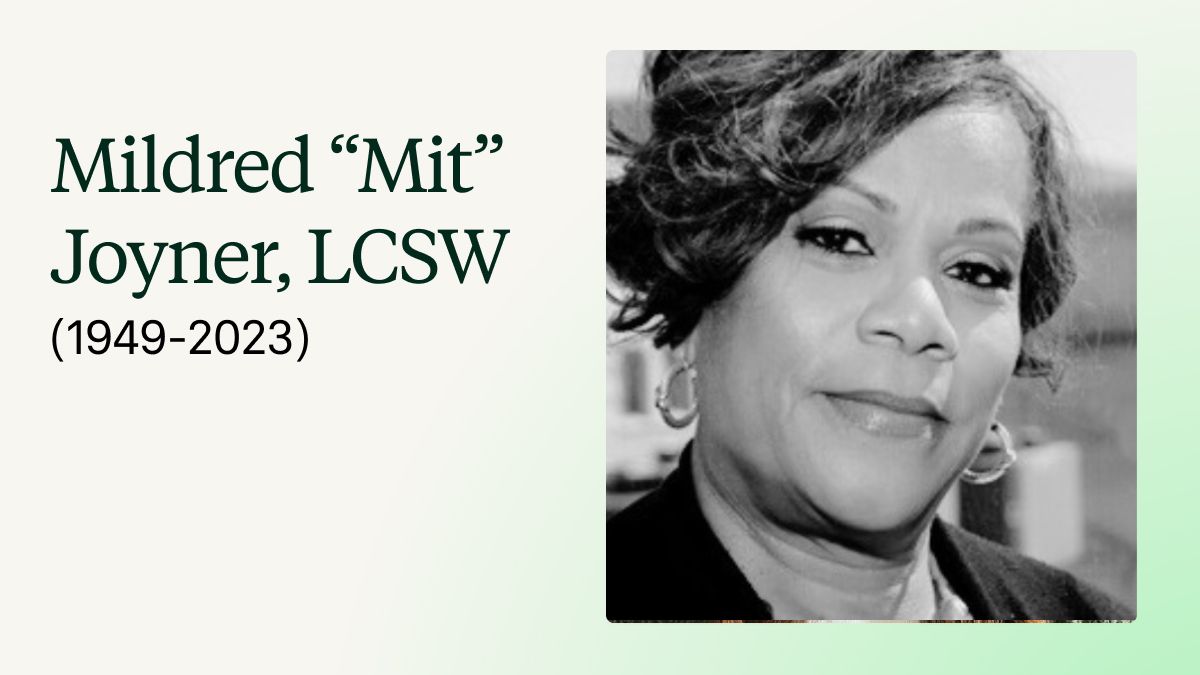
Mildred “Mit” Joyner, LCSW, was a community activist and pioneer in teaching, writing, and researching gerontology and multicultural issues for 30 years. She established the first Master of Social Work program in the Pennsylvania state system of higher education, groundbreaking work that expanded access to social work education.
Joyner served as president of the NASW, which named her a Social Work Pioneer. As the Distinguished Endowed Professor at Howard University, she developed the first cohort of Howard University Social Work Social Justice fellows.
Joyner's integration of social justice into social work education fundamentally transformed how we train clinicians, proving that competent practice requires activism alongside clinical skill.
The Modern Voices: Expanding Our Understanding
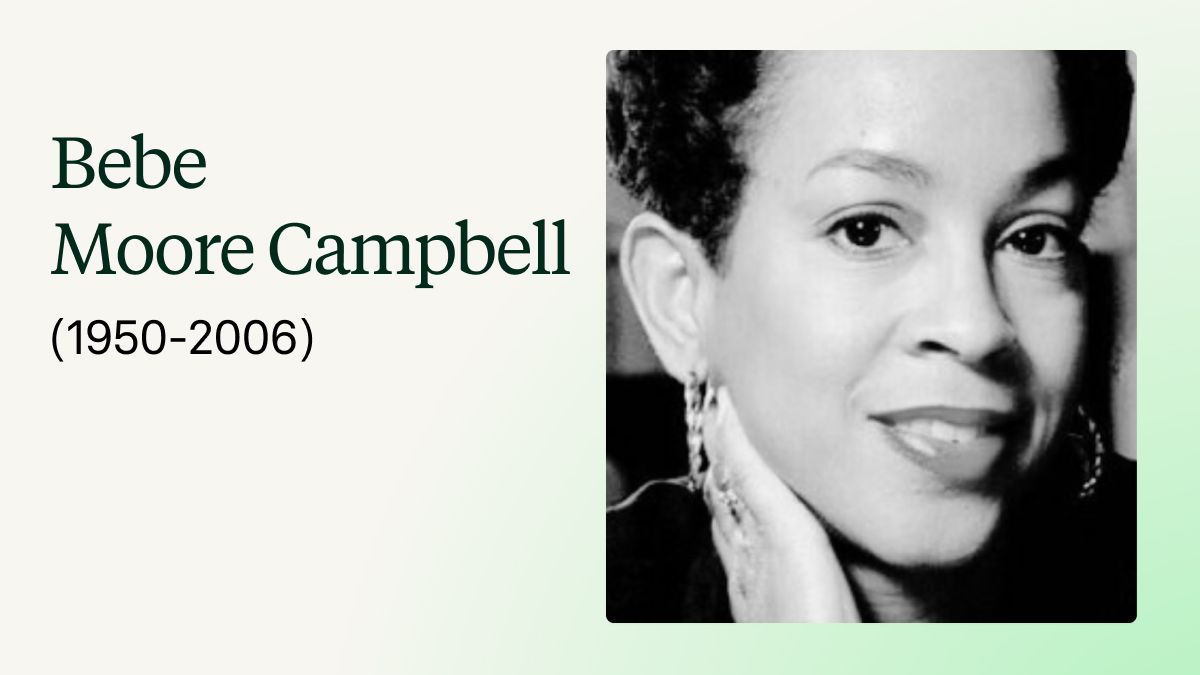
Although she wasn't a psychologist, Bebe Moore Campbell was an award-winning author, journalist, and mental health advocate who used storytelling to transform public understanding of mental illness in Black communities.
Her novels like 72 Hour Hold (2005) explored bipolar disorder with raw honesty, and she spent years fighting stigma that kept people from seeking help. Campbell co-founded National Alliance Mental Illness (NAMI)'s Urban Los Angeles chapter and pushed tirelessly for better access to mental health services in underserved areas. In 2005, she established Bebe Moore Campbell National Minority Mental Health Awareness Month (July), which Congress recognized to highlight disparities and improve outcomes.
Campbell's advocacy essentially broke down walls of silence around mental illness in Black communities. Her work destigmatized seeking help and highlighted that mental health care is a right, not a luxury.
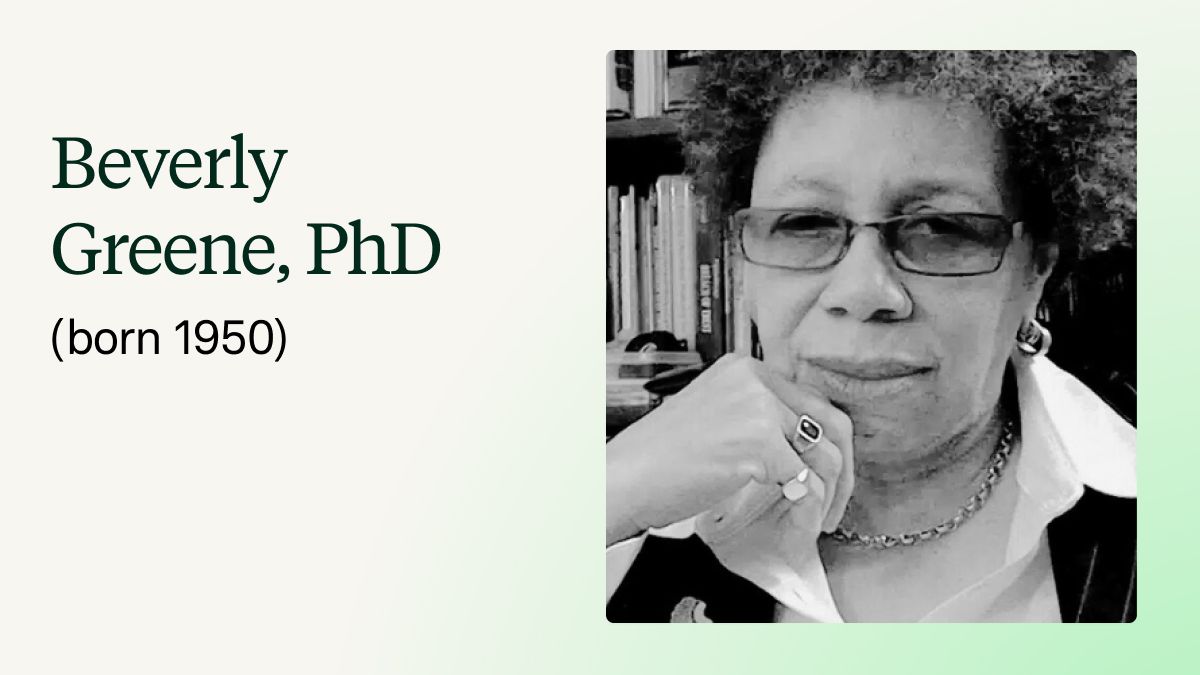
Beverly Greene, PhD, one of the first openly black lesbian clinical psychologists, is a professor at St. John's University. Her pioneering work on intersectionality fundamentally changed how we understand identity in therapy.
Long before “intersectionality” became mainstream, Greene was exploring how race, gender, sexual orientation, and class overlap to create unique experiences, particularly for Black women and LGBTQ+ individuals. Her famous article “When the Therapist is White and the Patient is Black: Considerations for Psychotherapy in the Feminist Heterosexual and Lesbian Communities” challenged therapists to examine power dynamics and cultural competence in cross-racial therapeutic relationships.
Dr. Greene's intersectional framework taught clinicians that we can't treat identity as a single-issue. A Black lesbian client isn't just dealing with racism or homophobia, she's navigating both simultaneously, which requires therapists to understand how oppressions compound and create distinct mental health challenges.
Most recently Greene received the 2023 Award for Outstanding Lifetime Contribution to Psychology by APA.
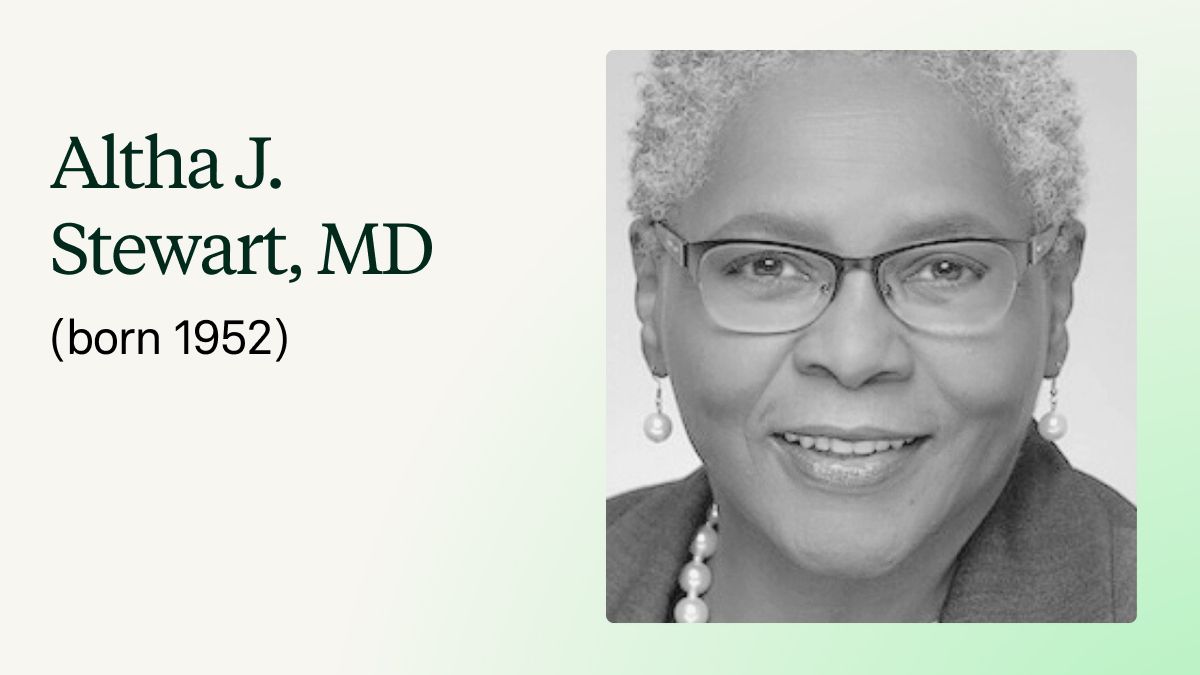
Altha J. Stewart, MD, made history as the first Black president of the American Psychiatric Association (APA) in 2018, using her platform to address structural racism in mental health care.
As a child and adolescent psychiatrist, she's spent decades advocating for underserved communities and highlighting how social determinants like poverty, discrimination, and trauma directly impact mental health outcomes.
Dr. Stewart pushed psychiatry to move beyond the clinic walls, emphasizing that we can't treat mental illness without addressing the systems that create it. Her advocacy fundamentally challenged the field to recognize that effective treatment requires addressing systemic barriers, not just individual symptoms.
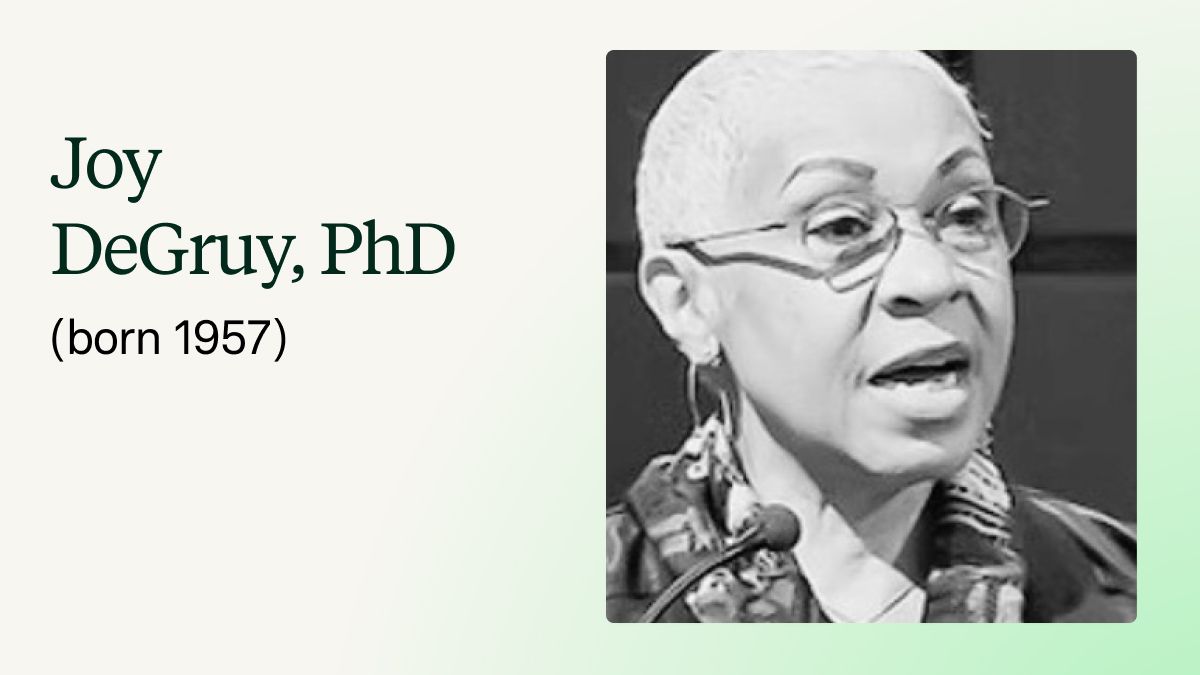
Joy DeGruy, PhD, is a researcher and educator best known for developing the theory of Post Traumatic Slave Syndrome (PTSS), which explores how centuries of slavery and ongoing systemic oppression create multigenerational trauma patterns in Black communities.
Her framework explains how historical trauma gets passed down generation after generation, affecting parenting styles, emotional regulation, self-perception, and relationships today.
Dr. DeGruy's work, particularly her book Post Traumatic Slave Syndrome: America's Legacy of Enduring Injury and Healing (2005), transformed how we understand intergenerational trauma clinically. Her PTSS framework gave clinicians essential language to understand how historical trauma manifests in current symptoms, enabling more accurate conceptualization and culturally grounded interventions rather than pathologizing survival responses.
The Legacy Continues
From Dr. Prosser's early research on environmental context to Dr. Steward's systemic advocacy, each woman contributed unique insights that challenged dominant narratives and centered Black experiences. Their work reminds us that culturally responsive care is essential.
Every year, as we celebrate Black History Month and Women's History Month, we honor these pioneers by continuing their work: advocating for equity, challenging oppressive systems, and creating spaces where all clients can heal authentically.
Their legacies live on in every culturally informed assessment, every strength-based intervention, every moment we choose advocacy alongside therapy, and every time we remember that effective mental health care requires us to see the whole person within their full context.
*Why are the authors capitalizing Black, Brown, and White? Learn more here.
Related Articles






Feb 18, 2026



Looking for a therapist?
Get tips on finding a therapist who gets you.
By submitting this form, you are agreeing to Alma's privacy policy.