Reminiscence Therapy for Older Adults: How It Helps & What to Expect
Reminiscence therapy uses memories, photos, and meaningful objects to help older adults feel seen, connected, and at peace.
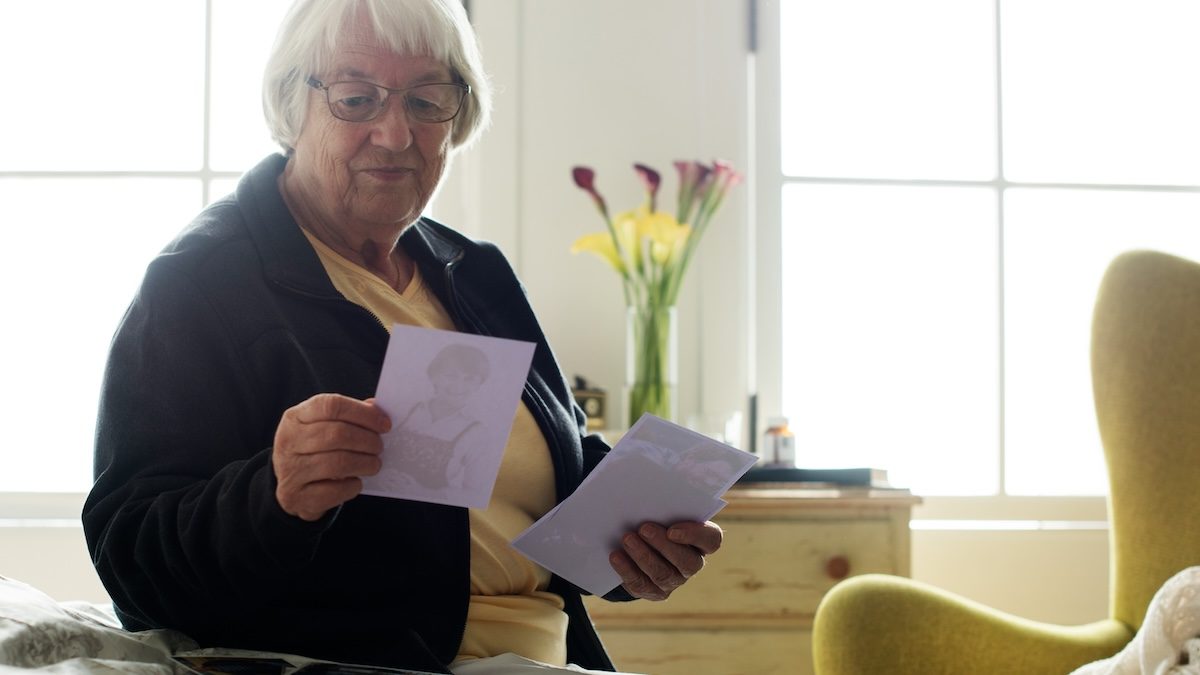
If you have an older loved one with age-related health challenges or end-of-life needs, you may be thinking about how to maximize their quality of life as well as your time together. Reminiscence Therapy can do exactly that. Reminiscence Therapy or RT is a therapeutic approach that helps older adults reflect on their life experiences to improve their sense of well-being. It creates a safe space for vulnerable conversations, and also uses visual prompts like photos and sentimental objects to encourage recall of positive memories.
Reminiscence Therapy has three primary goals:
- Improve mood through boosting self-esteem and sense of identity
- Build social connection and positive interactions
- Support cognitive function through stimulating mental processing
Created in 1963, RT is well supported by research. Studies conducted in a variety of elderly care settings has found RT to be an effective treatment for improving mental health and emotional wellness.
RT can be facilitated in care homes, in groups, or in individual therapy — both virtually and in-person. Caregivers and family members are encouraged to join and participate actively (in fact, joining your loved one’s RT session is a great way to strengthen your connection).
Therapist-led sessions often lead with curiosity and open-ended questions in order to help your loved one to feel seen, heard, and valued. The process is relaxed and informal, and is tailored to each person’s cognitive abilities and comfort. It can stir up joy, laughter, tears, or even conversations around end-of-life topics that might otherwise be difficult to have.
Benefits of Reminiscence Therapy for older adults
Reminiscence therapy is well-suited for older adults who enjoy reflecting on their past. This includes those with mild to moderate dementia or Alzheimer’s disease who are able to engage with their memories. RT can also support those feeling isolated, depressed, anxious, or who are coping with major life changes like declining health or a new living situation.
For older adults experiencing loneliness or social withdrawal, RT provides a meaningful relational experience in itself. Being listened to with genuine curiosity and care by a therapist and family members can restore a sense of belonging and remind them that their presence matters deeply to those around them. This is particularly valuable for those who live alone or have limited opportunities for meaningful conversation in their daily lives.
For those with dementia or Alzheimer’s disease, research has found that RT encourages memory recall and improves cognitive function, particularly when used as an early intervention with those experiencing mild cognitive decline. Engaging in enjoyable conversation stimulates mental abilities that might otherwise be underused, and provides greater motivation to engage with thoughts, feelings, and physical reactions.
Some older adults experience age-related depression, as poor health or loss of independence starts to affect their self-esteem or outlook on life. RT can boost their mood and strengthen their sense of identity by focusing attention on favorite memories, life achievements, and innate worth. Many studies have shown that older adults experience greater emotional well-being as a result of participating in individual or group RT sessions, particularly in the short term.
What to expect in Reminiscence Therapy
RT is a relaxed process that can be paired with more structured life review activities. For example, in group therapy, participants might be encouraged to reminisce casually about their lives, and also complete activities like reviewing memories from various life stages, drawing out any patterns or themes, identifying takeaways, and exploring their legacy. Life review exercises also create space to process negative life events and complex emotions like regret or loss with a therapist’s support and guidance.
Therapy sessions begin with open-ended questions and the use of items like photos or familiar objects to encourage sharing about memories.
Examples of Reminiscence Therapy questions
Childhood & Family of Origin
- What's a smell or sound from your childhood that takes you right back to a specific place?
- Tell me about the home you grew up in — what did it feel like to walk through the front door?
- Who in your family did you feel most understood by, and what did they do that made you feel that way?
- What's something your mother or father said to you that you still carry with you?
- What did summers look like when you were young?
Hardship & Resilience
- What's a difficult period in your life that, looking back, you feel you handled better than you expected?
- What kept you going during a time when things felt very hard?
- Is there something you lost — a person, a place, a chapter of life — that you've found a way to carry with you?
While Looking at Photos
- When you look at this photo, what's the first feeling that comes up — before you even start thinking?
- Where were you in your life when this picture was taken? What was on your mind that you can't see in the photo?
- Is there someone in this picture you'd want to tell me about?
- What does the person in this photo know that you didn't know yet?
- If you could step back into this moment for an hour, what would you do with it?
- What does looking at this bring up that you don't think about very often?
Family members and caregivers can expect a casual atmosphere where emotions move freely from joy and laughter, to occasional sadness or meaningful silence. The therapist helps redirect focus toward how the individual feels about themselves, and the greater meanings they’ve made from their lives.
For some older adults, physical objects help to spark memories and positive emotions. These often include memorabilia and sentimental objects, music from their youth, familiar scents, favorite movies or TV shows, hometown maps, or items related to hobbies or jobs. Some may welcome the opportunity to record an oral history of their childhood or life milestones. Those who have difficulty with speech may enjoy art forms like drawing, painting, or using clay, or creating a memory box with sentimental personal items. RT is a collaborative, creative process and ideas from caregivers and family are welcomed.
Examples of Reminiscence Therapy activities
Photo & Visual Work
- Life story books: collaboratively building a personal visual narrative, often across several sessions, that the client can share with family
- Memory boxes: assembling a collection of objects, images, and mementos that represent significant chapters of their life
- "Then and Now" photo comparison: bringing in historical images of places meaningful to the client (a childhood neighborhood, a former workplace) alongside current images to prompt reflection on change and continuity
Music & Audio
- Personally meaningful songs: identifying songs tied to specific memories and using them as entry points into deeper narrative
- Listening back: for clients who grew up with radio as a primary medium, replaying period broadcasts or news clips can unlock surprisingly specific autobiographical memory
- Singing or humming familiar songs together: particularly effective with clients experiencing early cognitive decline, as musical memory is often preserved longer than other memory types
Writing & Storytelling
- Prompted memoir writing: short, focused writing exercises around a single memory rather than broad life narrative ("Write about the day you met your spouse or bought your first house”)
- Letters never sent: writing to someone from the past, which can surface unresolved emotions in a contained, therapeutic way
- Recording oral histories: some therapists facilitate audio or video recordings of client stories, which serves both therapeutic and legacy purposes; knowing the recording will be heard by family often motivates clients to articulate things they've never said aloud
Object & Sensory Work
- Artifact handling: bringing in period objects (tools, kitchen items, toys) relevant to the client's era and background; the tactile element is particularly valuable for clients with limited verbal fluency
- Cooking or food memory work: preparing or simply discussing a dish tied to a significant memory, which activates olfactory and sensory channels that are deeply linked to autobiographical recall
- Textile and craft work: for clients whose working or domestic life involved handcraft (sewing, woodworking, knitting), engaging those physical skills while talking can lower defensive barriers and prompt more open narrative
Group-Based Activities
- Themed reminiscence groups: sessions organized around a shared cultural moment or era (a specific decade, a shared community experience like a local industry or landmark) that invites collective memory and peer validation
- Intergenerational dialogue projects: pairing older adults with younger people (sometimes children or students) to share stories, which adds an audience and a sense of purpose to the narrative
- Drama and storytelling circles: some programs use light theatrical techniques, including Playback Theatre, in which facilitators enact a participant's story back to them, creating a powerful experience of being witnessed
Digital Adaptations
- Digital life story work: using tools like StoryCorps or simple slideshow software to build multimedia personal narratives
- Virtual tours of significant places: using Google Street View or archival photography to "revisit" a childhood home, school, or neighborhood that no longer exists or is inaccessible
Reflecting on memories can stir up complex or difficult emotions. While the therapist and caregiver can gently redirect the older adult’s thoughts toward calming topics, they may want to share sad memories of grief or process perceived failures. The therapist provides support so that they feel heard and understood without becoming overwhelmed. This is particularly important for those showing signs of depression.
Meaning-making and processing grief
Oftentimes grief naturally arises when looking back on one’s life, as tender regrets, difficult memories, or painful lessons come to mind. Studies have shown that emotional pain can make it difficult for some to engage in Reminiscence Therapy. Signs that your loved one might be feeling reluctance include staying silent, changing topics, giving minimal responses, or exhibiting body language like avoiding eye contact or uncomfortable facial expressions.
To encourage them to feel comfortable, you can frame prompts as curious questions with no agenda, and follow their lead on topics they want to explore. This provides a stronger sense of agency. If any tension or ruptures happen in session, the therapist will help you navigate conflict repair together.
Psychology research on life stages highlights the importance of reflecting on one’s life meanings and lessons. Whether they are aware of it or not, older adults are often reconciling what psychologist Erik Erikson coined as ego integrity vs. despair by processing their successes and failures, and harnessing the wisdom of age. Receiving encouragement to recognize their greater life story and how their lives meaningfully impacted others can generate courage in the face of mortality, and provide a sense of peace.
Witnessing a loved one grow frail or lose independent functioning is also difficult. Your relationship with them might come with your own anticipatory grief about future loss, alongside existential questions. Caregiver roles also come with their own burdens such as stress, a smaller social circle, feelings of inadequacy, or increased tensions if the relationship has historically been conflictual.
RT can help you to connect more vulnerably, learn new things about them, and make them feel celebrated in ways that strengthen your relationship and help to cope with grief. As you participate in sessions, remember to be gentle with yourself and notice your own emotional reactions without self-criticism or judgment.
Continuing the conversation at home
If your loved one enjoys Reminiscence Therapy, consider continuing the conversations at home. This can reinforce the benefits for their mood, social connectedness, and cognition. Strategies you might try include:
- Asking open-ended questions about their life stories (who, what, when, where, why, how)
- Listening attentively and asking follow-up questions
- Processing actively and offering reflective comments and your emotional reactions
- Encouraging sensory interaction through sentimental objects and images
- Responding with empathy and being sensitive when painful emotions arise
- Apologizing when appropriate if they become upset, and asking what they need in that moment
Finding a reminiscence therapist
To start Reminiscence Therapy, begin by asking the older adult’s primary care provider, local memory clinic, or geriatric care manager for referrals to therapists or programs. If they live in an assisted living or nursing home, you can explore if memory care is offered.
You can also contact local senior centers, Alzheimer’s or dementia associations, and licensed mental health professionals (psychologists, social workers, and counselors), and ask specifically about their training and experience with reminiscence-based approaches. Verify their therapy credentials, ask about their experience with older adults and cognitive impairment, and if possible, observe a session or request references. You may want to verify Medicare coverage for therapy if relevant, as this can help to ensure consistent care.
A well-trained reminiscence therapist will have qualities of warmth, patience, and comfortability with grief and end-of-life conversations. They will also have experience with cognitive decline and understand the realities of living with dementia or Alzheimer’s. Most importantly, your loved one will feel comfortable opening up to them and enjoy being in their presence.
The gift of listening
Reminiscence Therapy is ultimately an invitation to honor a life fully lived. Whether an older adult recalls moments of joy, pride, loss, or quiet everyday meaning, each memory shared is a thread in the larger story of who they are. For families navigating the tender and sometimes painful realities of aging, RT offers a structured reason to slow down, listen deeply, and let your loved one know that their story matters to you, and to the lives they helped shape.
Common Questions
What is reminiscence therapy?
Reminiscence therapy (RT) is a therapeutic approach that helps older adults reflect on their life experiences to improve their sense of well-being. Created in 1963, it uses open-ended questions, photos, music, and meaningful objects to encourage memory recall and meaningful conversation. RT has three primary goals: improving mood and sense of identity, building social connection, and supporting cognitive function. It can be facilitated individually or in groups, in person or virtually, and family members and caregivers are encouraged to participate actively.
Who is reminiscence therapy for?
Reminiscence therapy is well-suited for older adults who enjoy reflecting on their past — including those with mild to moderate dementia or Alzheimer's disease. It's also a meaningful option for those experiencing isolation, depression, anxiety, or major life changes like declining health or a new living situation. Because RT is tailored to each person's cognitive abilities and comfort level, it can meet people where they are, whether they're navigating early memory loss or simply looking for a space to feel heard and valued.
What happens in a reminiscence therapy session?
RT sessions are relaxed and informal. A therapist leads with open-ended questions and may introduce photos, familiar objects, music, or other sensory prompts to encourage storytelling. Sessions can move freely through emotions — joy, laughter, tears, and sometimes meaningful silence. In group settings, RT may include more structured life review activities, like exploring memories from different life stages, identifying patterns and themes, and reflecting on legacy. Caregivers and family members are welcome to join, and their ideas and contributions are part of the process.
Can reminiscence therapy help with dementia?
Yes. Research has found that RT encourages memory recall and supports cognitive function in people with dementia or Alzheimer's disease, particularly when used as an early intervention with those experiencing mild cognitive decline. Engaging in meaningful conversation stimulates mental abilities that might otherwise go underused. Importantly, musical memory is often preserved longer than other memory types, making music-based activities especially effective. RT also helps address the depression and social isolation that frequently accompany dementia, offering genuine connection at every stage.
How do I find a reminiscence therapist?
Start by asking your loved one's primary care provider, local memory clinic, or geriatric care manager for referrals. If they live in an assisted living or nursing home, ask whether memory care or reminiscence-based programming is offered. You can also reach out to local senior centers, Alzheimer's or dementia associations, and licensed mental health professionals — psychologists, social workers, and counselors — and ask specifically about their experience with reminiscence approaches. A good reminiscence therapist will bring warmth, patience, and genuine comfort with grief and end-of-life conversations.
Related Articles



Jun 24, 2026


Looking for a therapist?
Get tips on finding a therapist who gets you.
By subscribing to emails from Alma, you are agreeing to Alma's privacy policy.